
Material suitability
Assess recycled thin LDPE plastic waste as a binder in sand pavement blocks.
Experimental research into recycled thin LDPE plastic waste and sand as an alternative binder system for pedestrian pavement blocks.
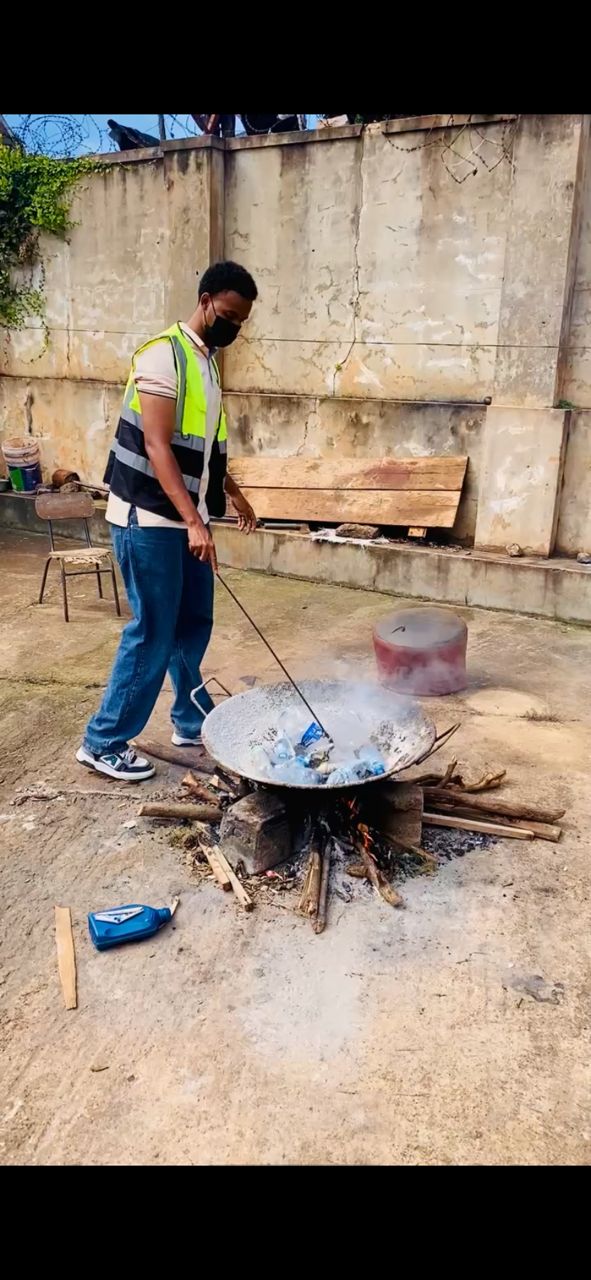
This graduation project investigates thin low-density polyethylene (LDPE) plastic waste combined with sand to produce pavement blocks for pedestrian applications. It considers a practical way to reduce plastic waste while lowering reliance on cement in paving-block production.
The supplied report describes laboratory-scale production and testing in Uganda, with the intended application context including locations where thin plastic-film waste is prevalent.
Can recycled thin LDPE plastic waste and sand form pavement blocks with suitable strength, water resistance and temperature performance for pedestrian use?
Assess recycled thin LDPE plastic waste as a binder in sand pavement blocks.
Compare plastic-to-sand ratios to identify a balanced pedestrian-paving mix.
Measure compressive strength, density and water absorption.
Evaluate the effect of elevated temperature on the reported block performance.
Thin-film plastic waste was cleaned, prepared and heated to form the composite binder.
Sand provided bulk, rigidity and strength within the plastic-sand composite.
The report describes melting plastic at controlled temperatures before combining it with sand and moulding blocks.
Plastic-sand mixes of 25:75, 30:70 and 35:65 were compared with a cement-sand control.
The following figures are reported in the supplied undergraduate project report and have not been independently verified by CBA.
30 : 70
Reported optimal plastic-to-sand mix ratio by weight
14.8 MPa
Reported compressive strength for the 30% plastic mix
1.1%
Reported water absorption for the 30% plastic mix
998.8 kg/m³
Reported density for the 30% plastic mix
The report scopes the plastic-sand blocks for pedestrian pavement use, not structural or vehicle-bearing applications.
Reported findings come from laboratory-scale production and should be validated before broader manufacture or specification.
The study explores a route to recover value from thin plastic waste in local construction materials.
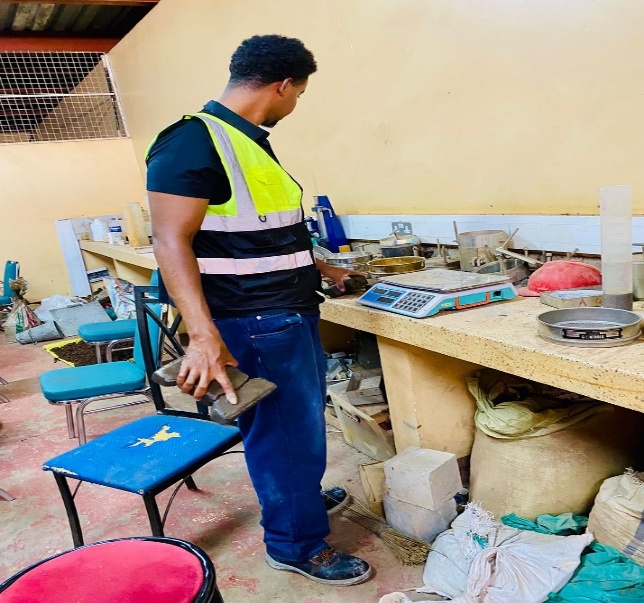
Researcher on the recycled plastic pavement-block study.